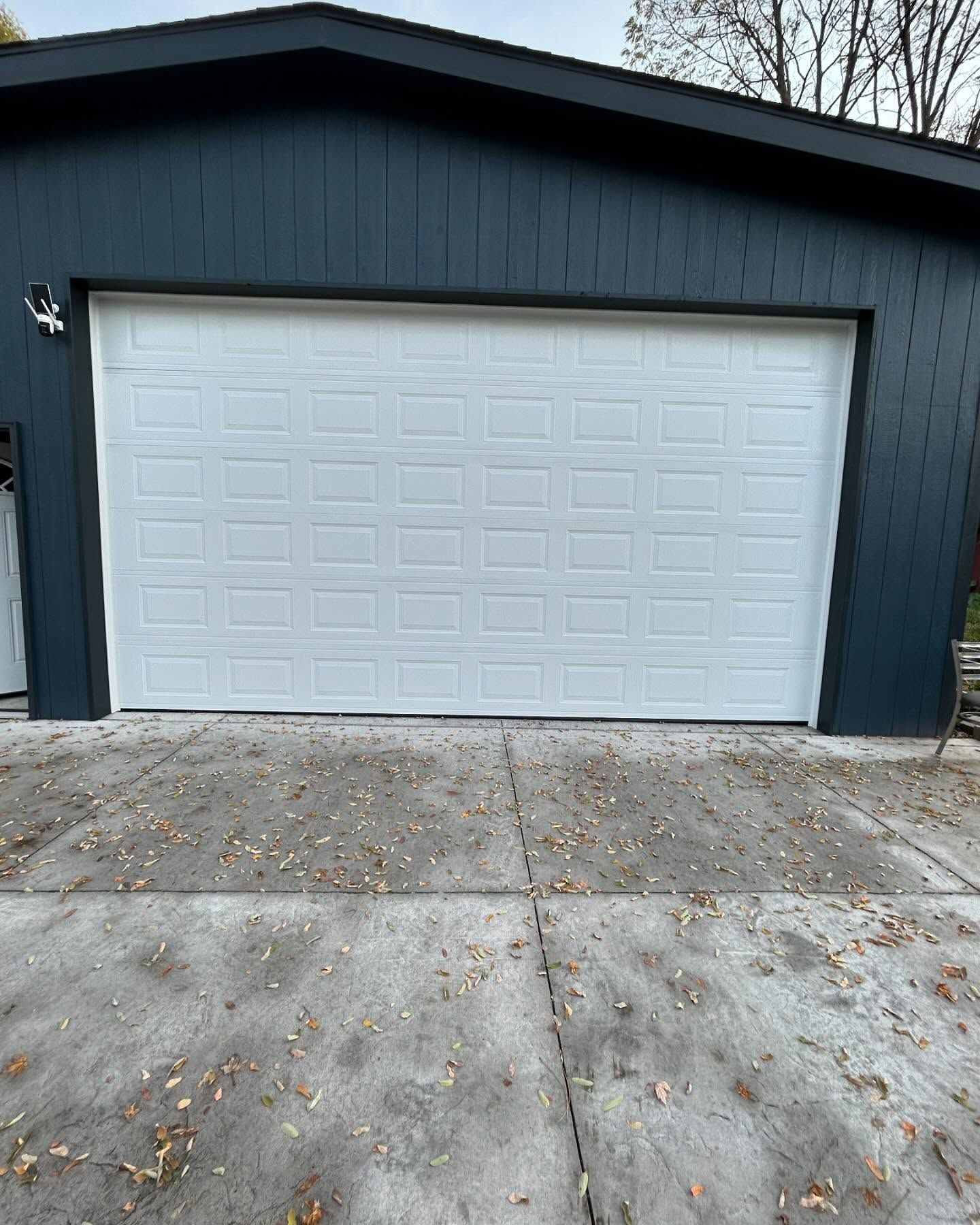
Components That Eliminate Vibration and Noise
Rollers and Hardware Replacements in Clinton Township for garage doors creating excessive sound during operation
Garage door rollers travel inside metal tracks dozens of times per day, and worn bearings create the squeaking, rattling, and shaking that homeowners associate with aging overhead doors. Thapa Garage Doors replaces steel rollers with nylon alternatives that operate silently, along with inspecting and replacing brackets, track fasteners, and related hardware components that affect door movement. Attached garages benefit most from nylon roller upgrades because they eliminate vibration transfer to shared walls and reduce noise intrusion into adjacent living spaces.
Hardware replacement addresses the mechanical wear that accumulates as doors cycle through thousands of operations. Roller bearings lose lubrication and develop flat spots, brackets loosen from vibration, and track alignment shifts when fasteners work free from wall studs over years of use.
Schedule hardware replacement before larger repairs are needed to maintain smooth operation and reduce opener strain.
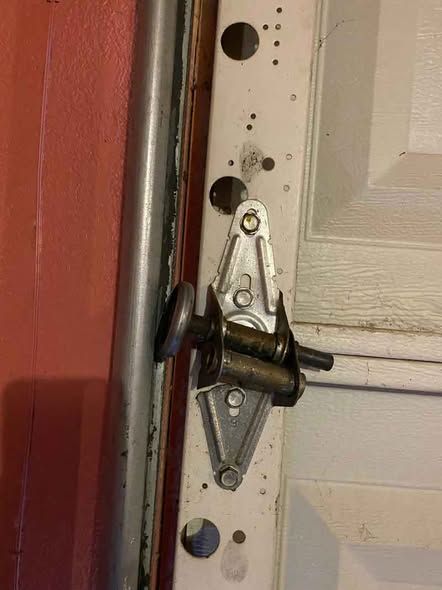
Why Specific Approach Works for Noise Reduction
Replacing rollers requires removing door tension to safely access each roller assembly, then extracting worn units and installing nylon rollers that include sealed bearings designed for longer service life. Track inspection identifies bends, rust buildup, or mounting looseness that contributes to uneven door travel, and bracket replacement ensures that hinges and roller stems remain properly secured to door panels.
You notice immediately that the door glides quietly through its full travel path without the metal-on-metal grinding sound that steel rollers produce when bearings fail. Vibration stops transferring through walls into adjacent rooms, and the opener motor runs more smoothly because resistance from worn components no longer loads the drive mechanism unevenly.
Nylon rollers also reduce strain on opener systems by requiring less force to overcome rolling resistance, which lowers current draw and keeps motors cooler during operation. This extends opener lifespan and reduces the frequency of drive component replacements like gears and belts.
What Property Owners Usually Ask
Hardware condition affects how long your door operates reliably, and understanding replacement timing helps you avoid unexpected breakdowns.
What makes nylon rollers quieter than steel rollers in Clinton Township installations?
Nylon rollers eliminate metal-to-metal contact inside the track and include sealed bearings that don't require periodic lubrication, while steel rollers develop bearing noise as lubricant evaporates and metal surfaces grind against each other during temperature fluctuations.
How do loose brackets affect garage door performance?
Brackets that loosen allow panels to shift slightly during operation, which misaligns rollers in the track and creates binding points that increase opener load and produce uneven door movement visible as jerking or hesitation during travel.
Why does track condition matter when replacing rollers?
Bent or misaligned tracks force new rollers to operate under side load, which accelerates bearing wear and prevents the door from traveling smoothly even with fresh hardware installed throughout the system.
What other hardware typically needs replacement during roller service?
Hinge pins that show wear, stem bolts that have loosened from vibration, and track mounting brackets that have pulled away from wall studs all contribute to operational problems and are efficiently addressed during the same service visit.
When should hardware be replaced even if the door still operates?
Any time you hear squeaking that increases in frequency, feel vibration in adjacent rooms when the door moves, or notice that the opener struggles more than previously, inspection and replacement prevent component damage that results from continued operation with worn parts.
Thapa Garage Doors inspects all moving hardware during service calls and recommends replacements based on measured wear rather than arbitrary timelines. Arrange an inspection if your door has become noticeably louder or operates less smoothly than when originally installed.