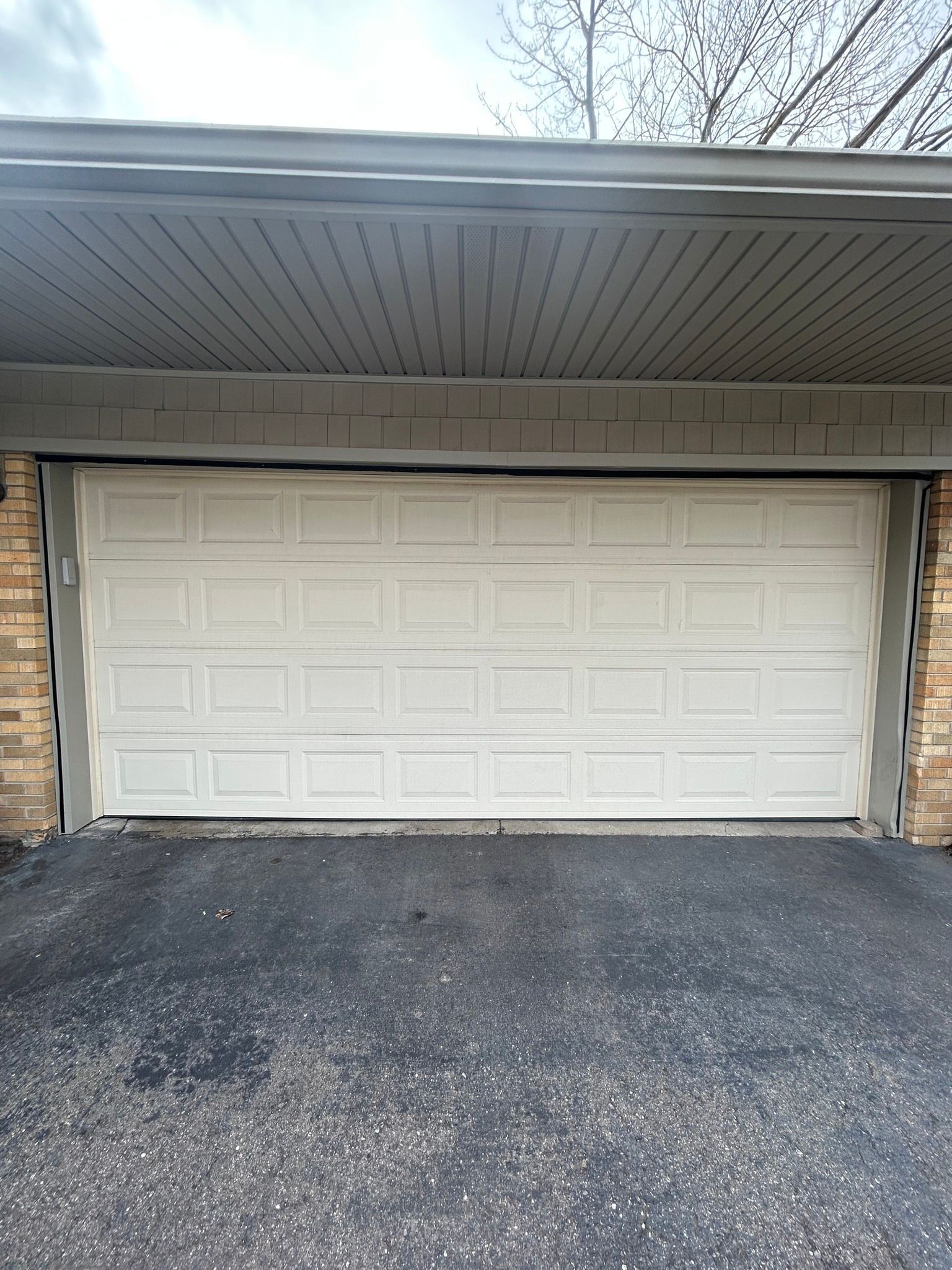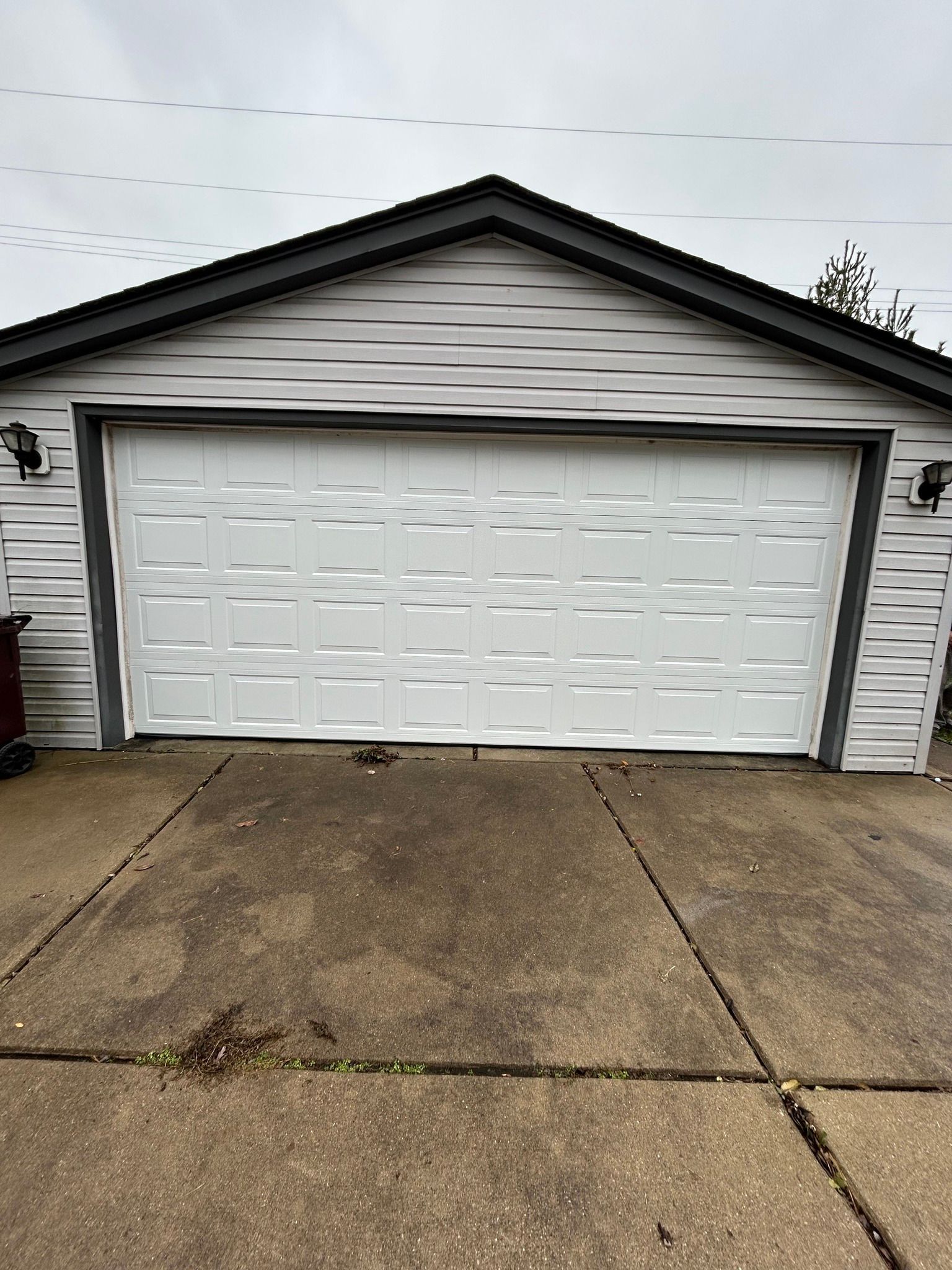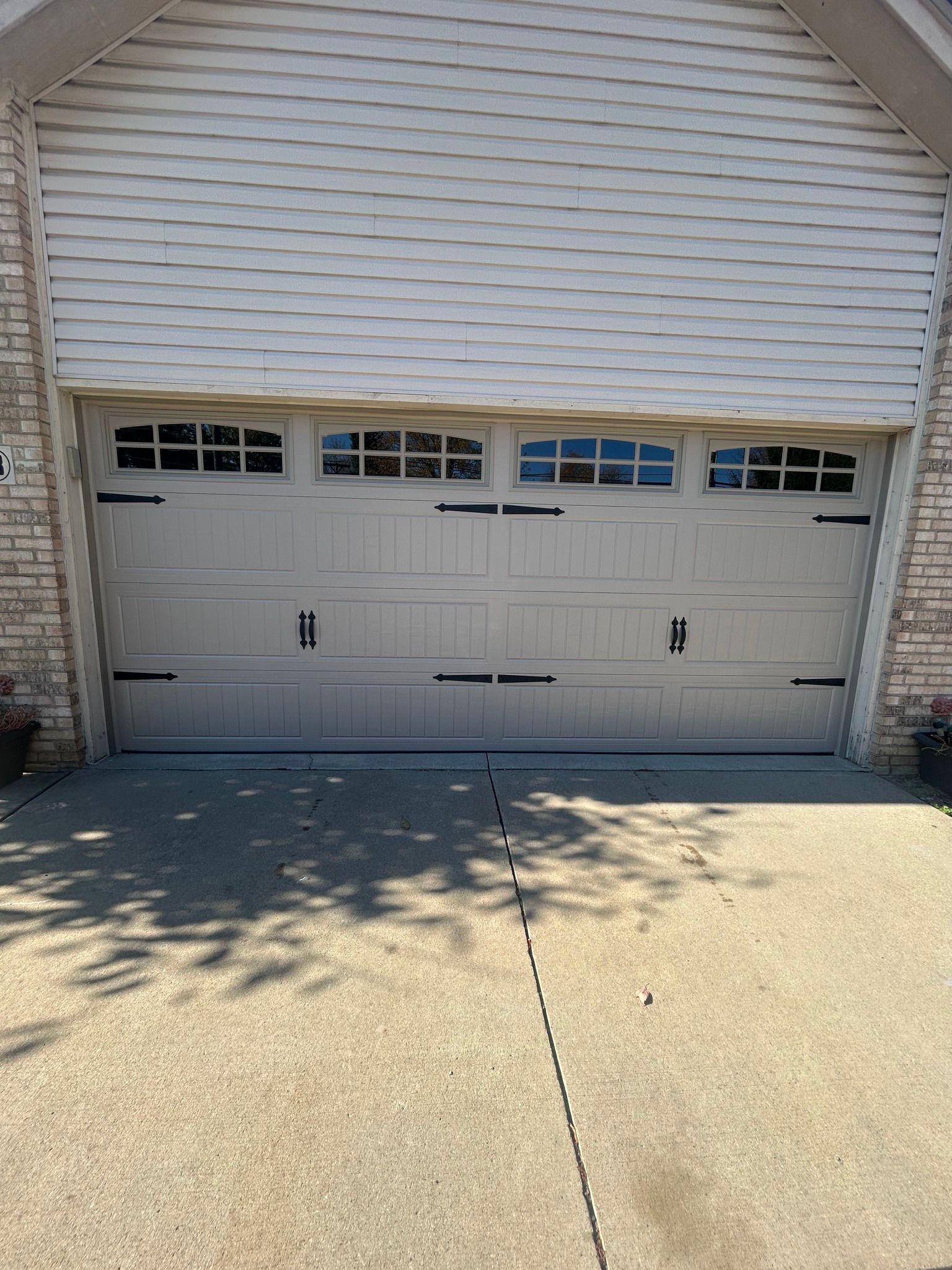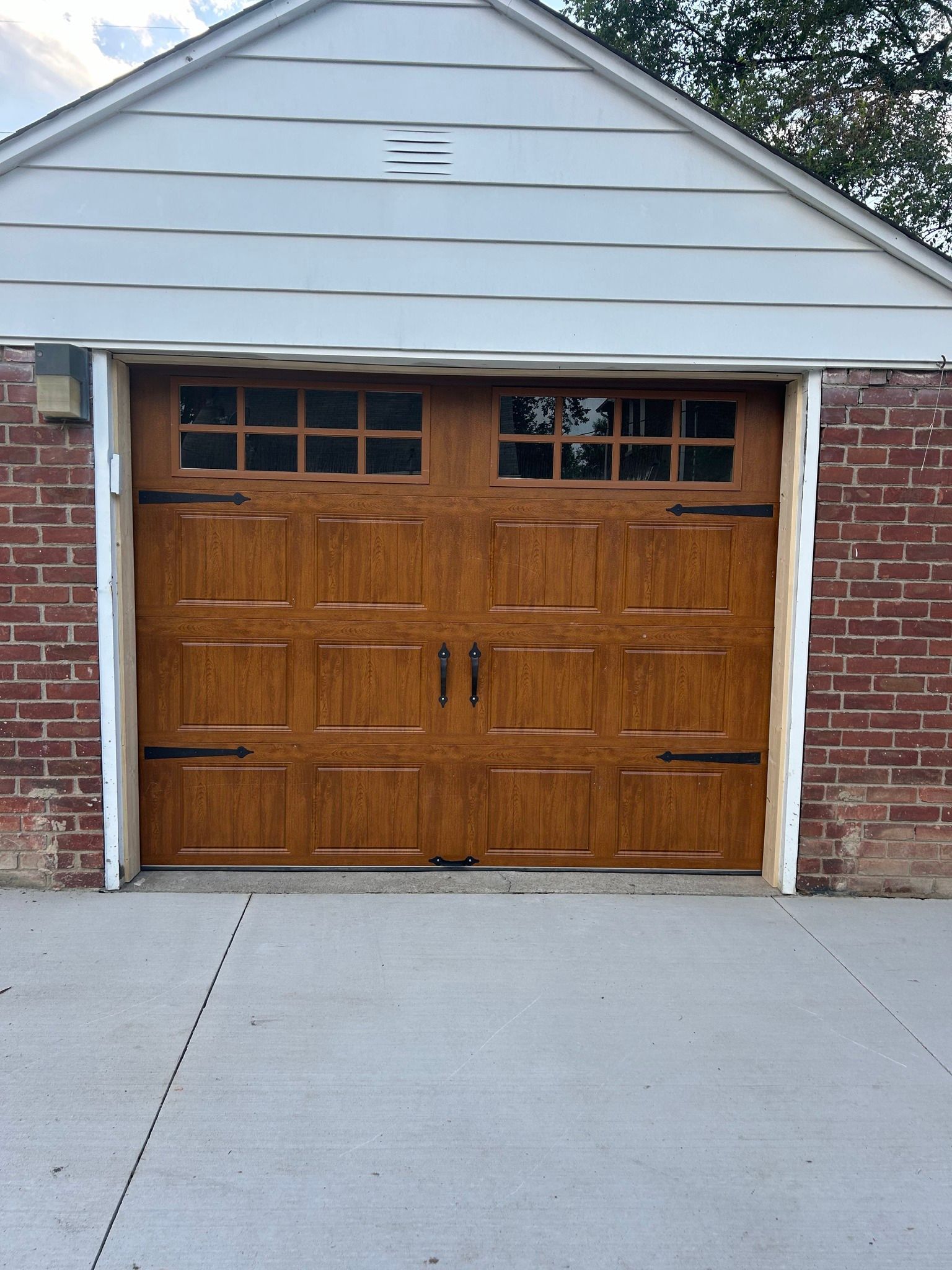
Stop Dangerous Spring Failures Before They Happen
Springs and Cables Replacement in Clinton Township for worn components showing signs of stretching, fraying, or sudden failure
When a garage door spring snaps, the sudden release sounds like a gunshot and leaves your door inoperable. Springs and cables wear gradually based on cycle count—each time your door opens and closes, these components move through one complete cycle of tension and release. Thapa Garage Doors replaces worn, stretched, or broken springs and frayed lifting cables in Clinton Township before they fail completely, preventing the safety hazards and inconvenience of a door that won't move or drops unexpectedly.
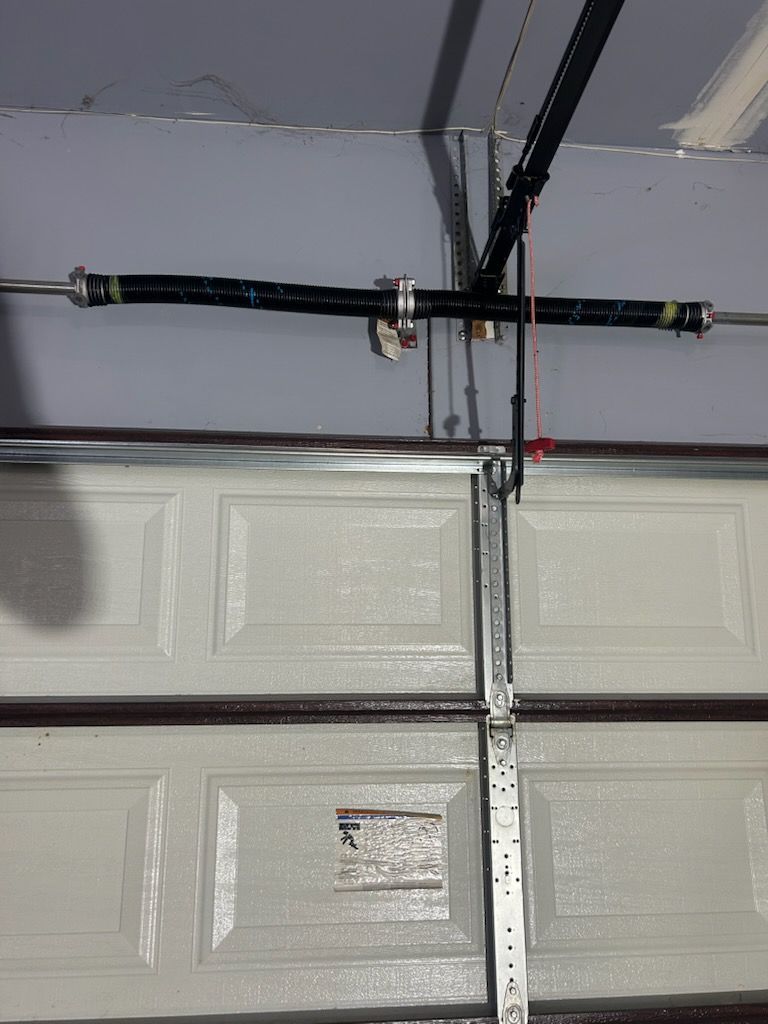
Springs and cables work as a matched system to counterbalance the door's weight during lifting and lowering. Torsion springs mounted above the door twist and store energy as the door closes, then release that energy to assist the opener when lifting. Cables run from the bottom brackets through pulleys and attach to the spring system, translating the spring tension into vertical lifting force. When springs lose tension from repeated cycling or cables fray from years of friction against pulleys, the door becomes harder to lift, moves unevenly, or stops working entirely.
Schedule a spring and cable inspection if your door operates slowly or shows signs of uneven movement.
Why Professional Replacement Matters for These Components
Replacing garage door springs involves working with components under extreme tension—torsion springs can exert hundreds of pounds of force even when the door is closed. Professional replacement includes measuring the door's weight, selecting springs with the correct cycle rating for your usage frequency, and winding the new springs to the precise tension needed for balanced operation. Cables are threaded through the pulley system and attached to both the bottom brackets and the spring assembly with specific tension adjustments.
Once replacement is complete, your door will lift smoothly without the opener straining or the door hanging heavier on one side. You'll no longer hear the grinding or squealing sounds that indicate a spring losing tension or a cable rubbing against a worn pulley. The door will stay in place when opened halfway rather than slowly creeping downward, and the opener will operate more quietly since it's no longer compensating for weak springs.
Spring replacement is not a DIY project due to the injury risk from components under tension and the precision required to achieve proper door balance. Incorrect spring tension causes the door to close too quickly, fail to stay open, or put excessive strain on the opener motor. Thapa Garage Doors matches spring specifications to your door's weight and configuration, then tests the balance after installation to verify safe operation.
What You Should Know About Springs and Cables
Spring and cable systems have specific lifespans and warning signs that indicate when replacement is necessary rather than optional.
How long do garage door springs typically last?
Standard torsion springs are rated for 10,000 to 15,000 cycles, which translates to roughly seven to nine years for a door that opens and closes four times daily, though higher-cycle springs are available for frequent-use doors.
What does a failing spring sound like?
A loud snap or bang indicates complete spring failure, but earlier warning signs include creaking or popping noises during door movement, the door feeling heavier when lifting manually, or visible gaps appearing in the spring coils.
Why do cables fray or break?
Cables fray where they pass over pulleys due to friction and metal fatigue, particularly when pulleys become worn or misaligned, causing the cable strands to rub and gradually separate over thousands of cycles.
Can one spring be replaced or do both need replacement?
When one spring breaks, the second spring has typically experienced the same number of cycles and is near failure, so replacing both springs together prevents a second service call shortly after the first repair.
What happens if I keep using a door with a broken spring?
The opener motor will attempt to lift the full weight of the door without spring assistance, which can burn out the motor, cause the door to drop suddenly if it loses grip, or damage the opener's drive mechanism from overwork.
Thapa Garage Doors responds to spring failures and provides inspections that identify early wear before components break. Contact us when you notice changes in how your door operates or sounds during movement.