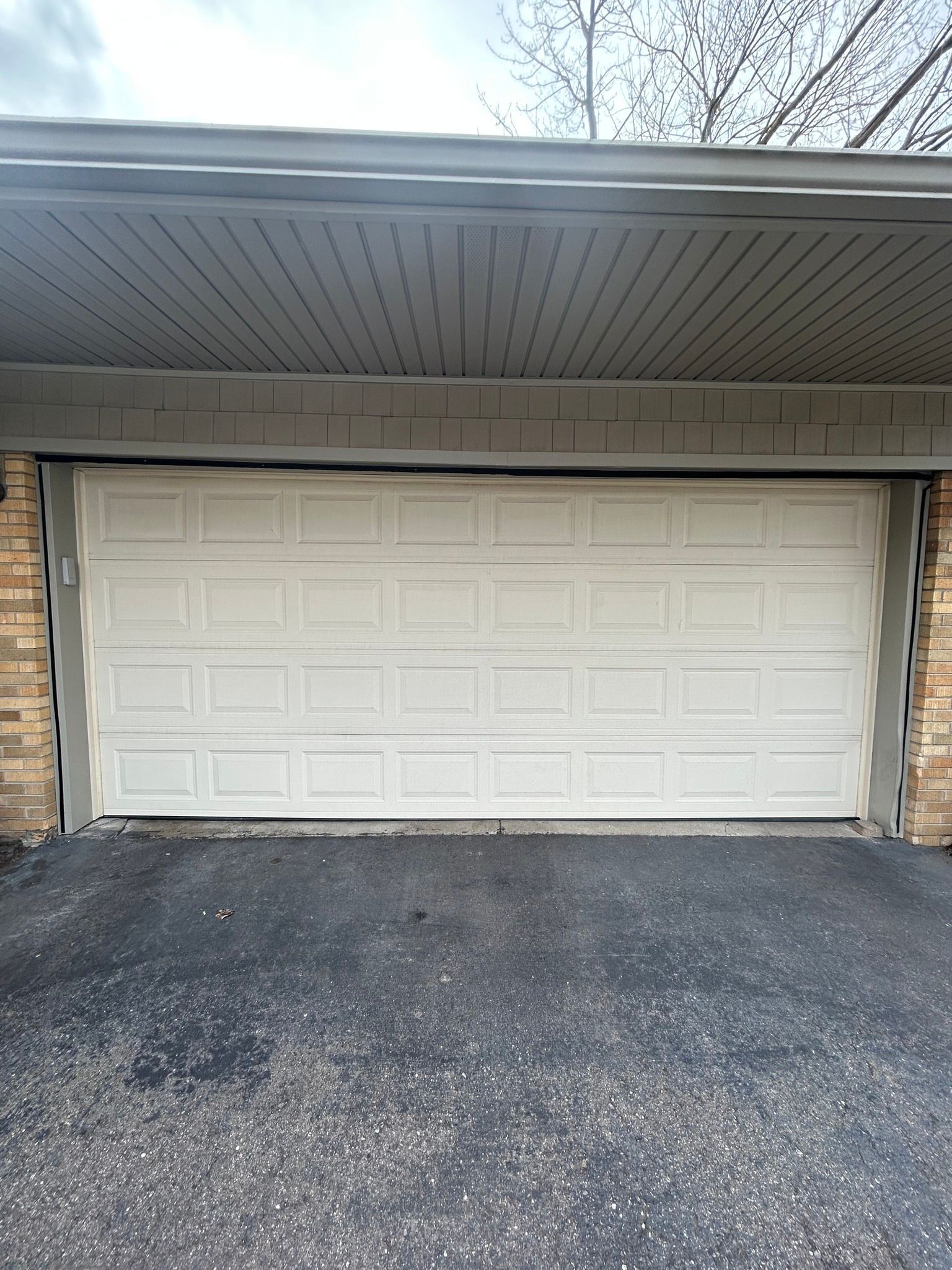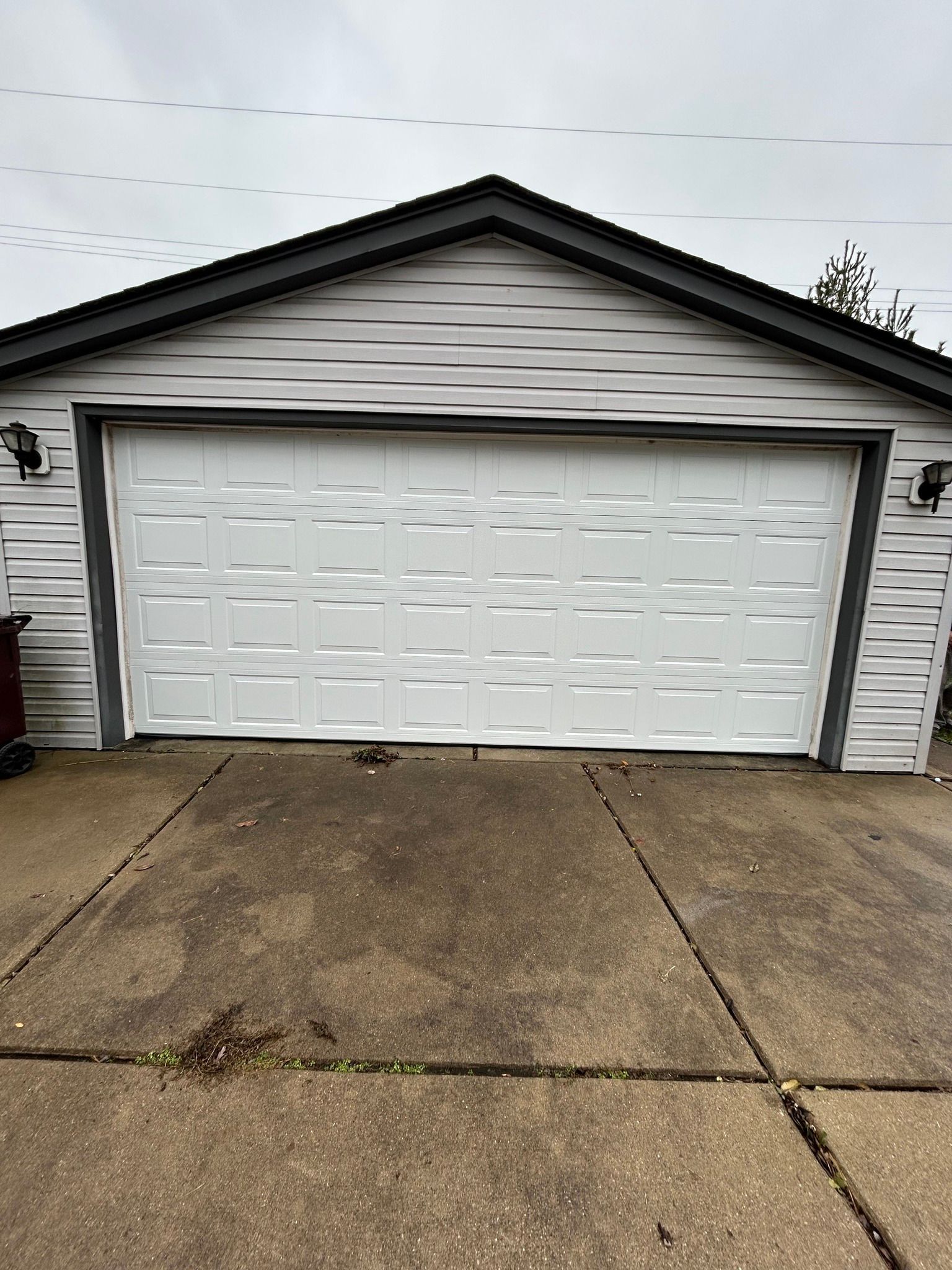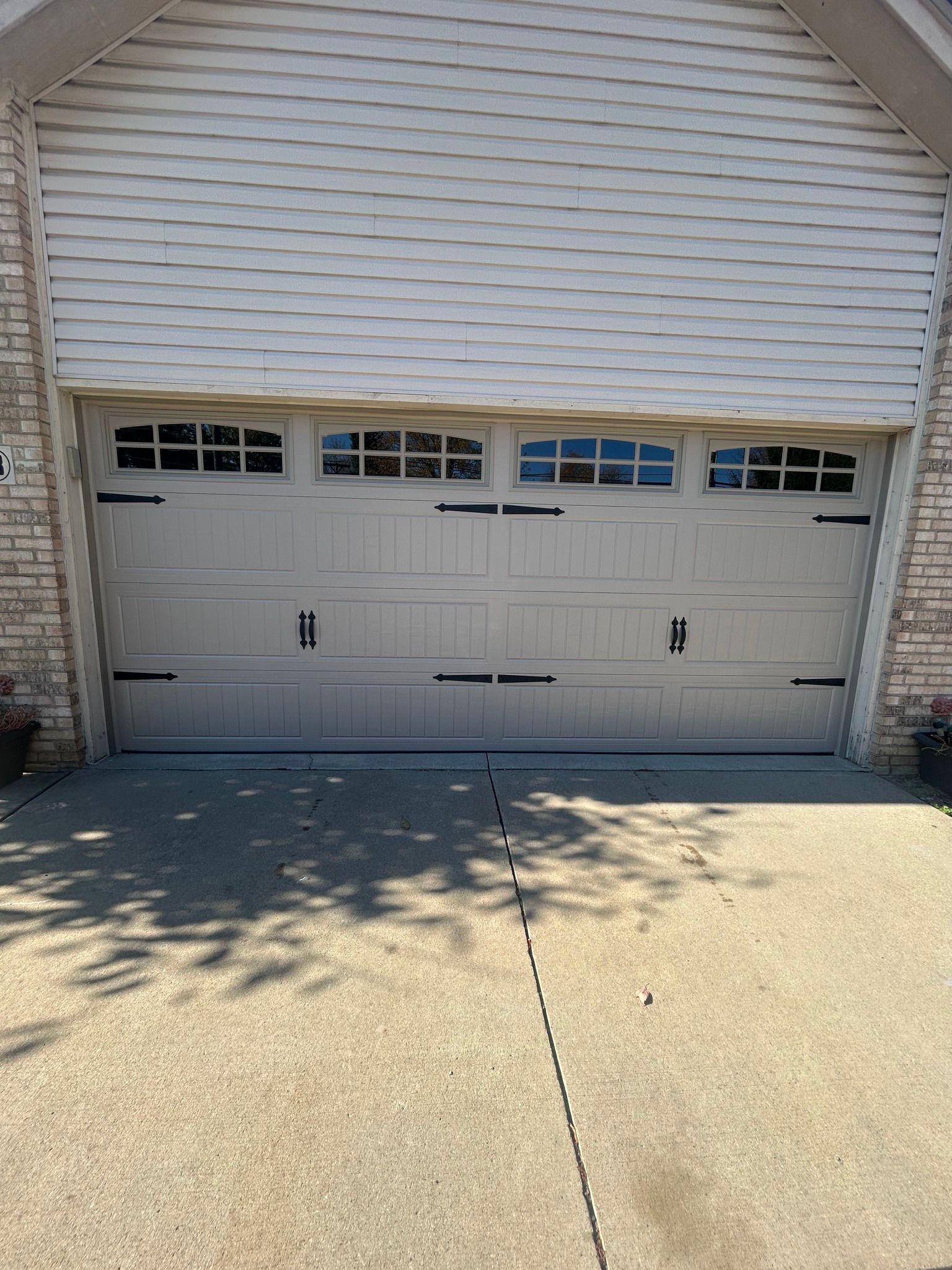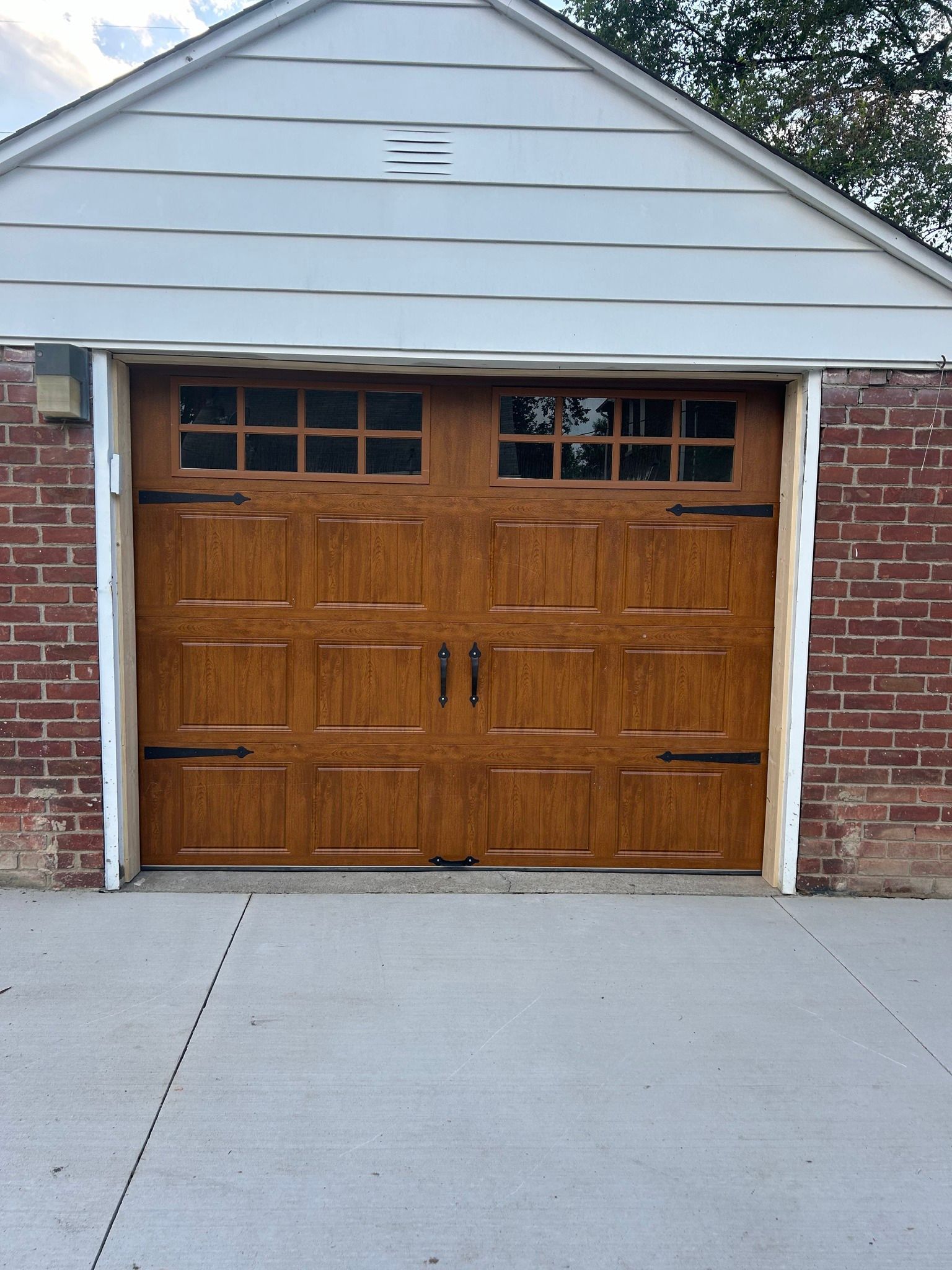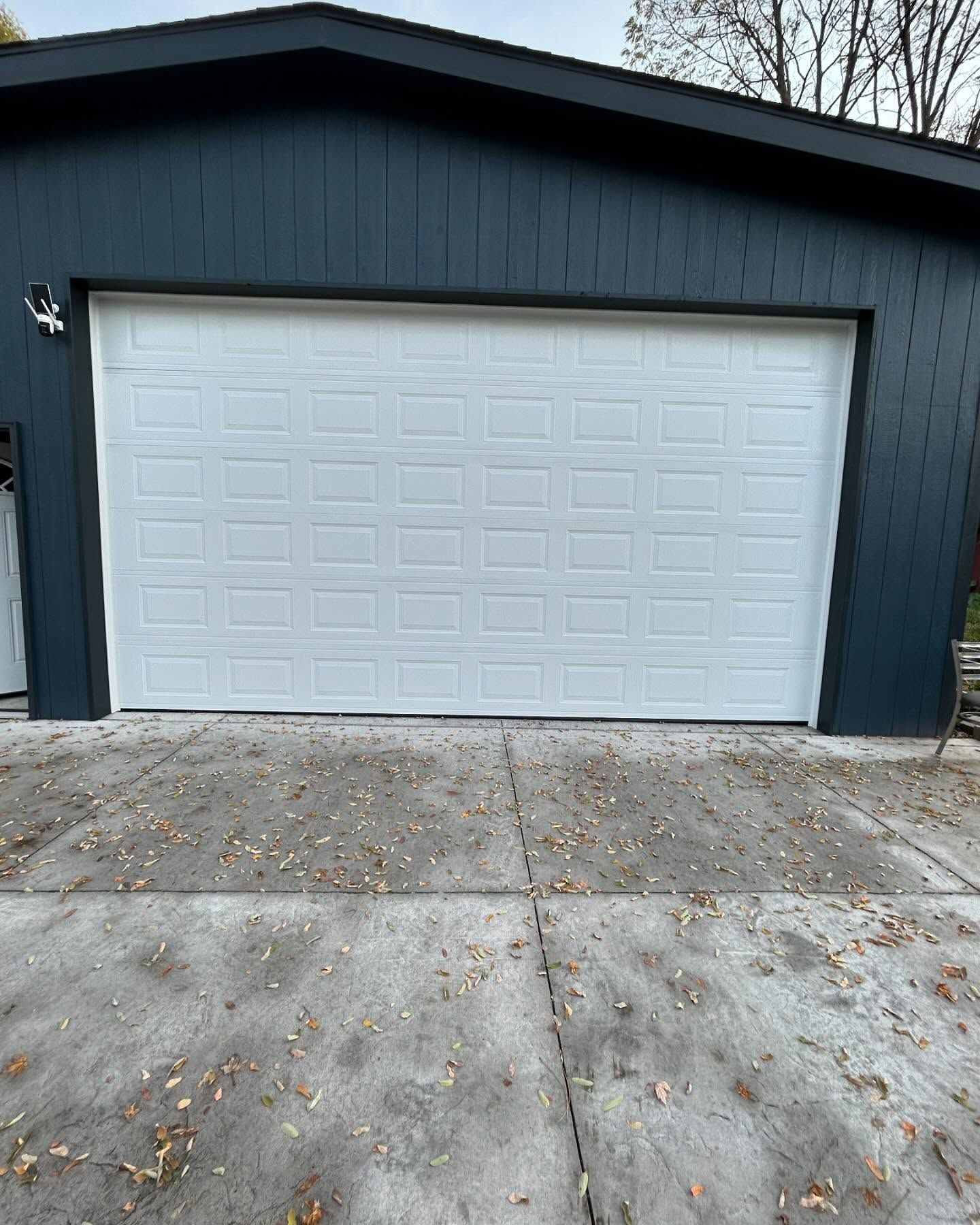
Seals That Stop Air and Moisture Intrusion
Weather Shield Replacement in Clinton Township for attached garages losing indoor temperature control
Michigan winters expose garage door weather seals to repeated freeze-thaw cycles that crack rubber materials and reduce their ability to block outside air. Thapa Garage Doors replaces worn seals around door perimeters and bottom edges to restore the barrier against drafts, moisture, dirt, and pest entry. Properties with attached garages notice immediate improvements in how well adjacent rooms maintain stable temperatures once new weather shields are installed.
Weather seals degrade when cold temperatures make rubber brittle and daily door movement flexes the material beyond its remaining elasticity. Gaps as small as a quarter-inch allow significant air exchange, pulling heated air from attached living spaces and allowing moisture to enter where it contacts cold surfaces and forms condensation.
Replace aging weather shields before winter weather intensifies to reduce heating costs and improve comfort.
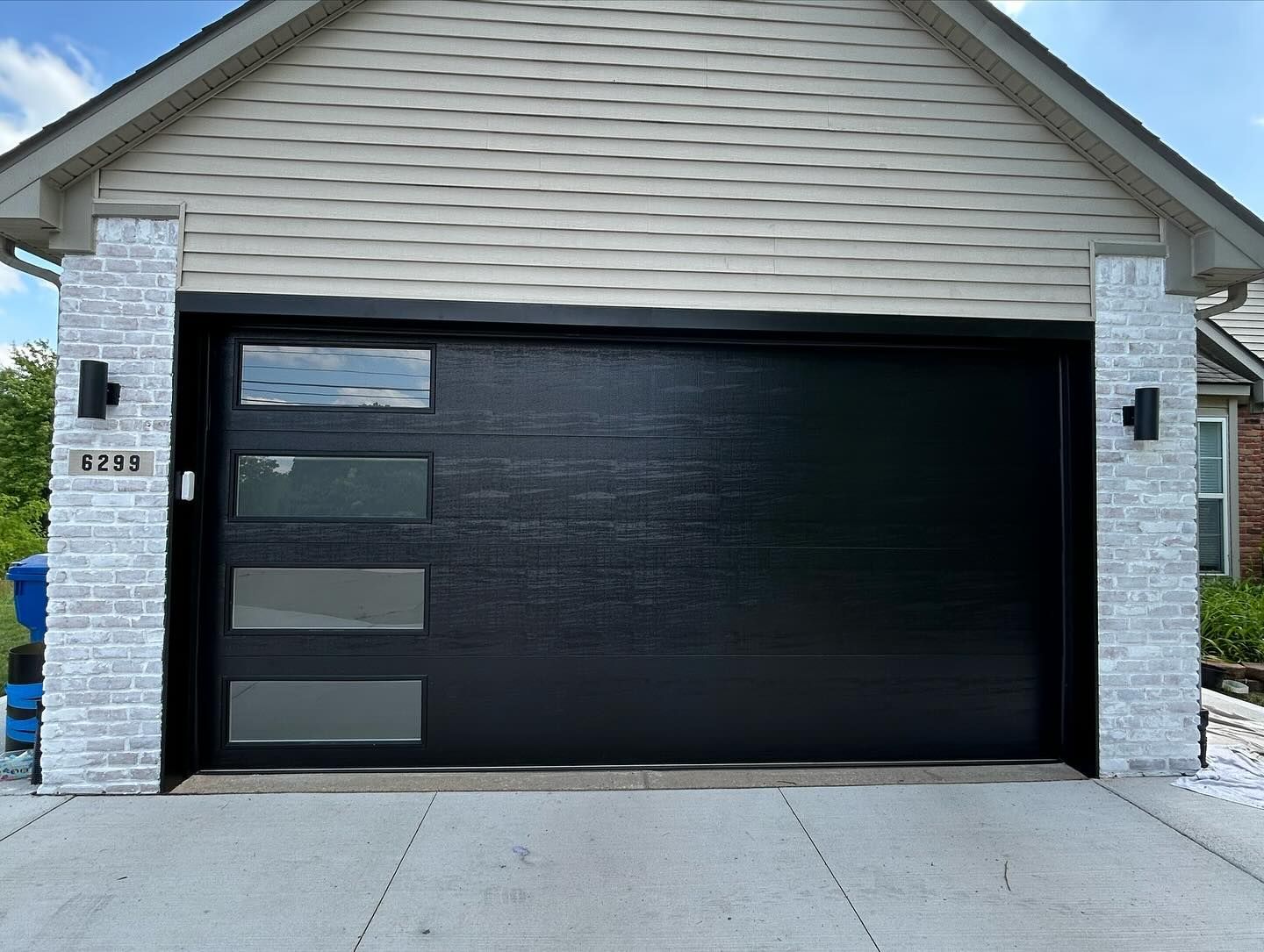
What Proper Sealing Requires
Weather shield replacement involves removing old seal material, cleaning the door edge to remove adhesive residue and debris, then installing new seals that compress fully when the door closes. Bottom seals must contact the floor evenly across the entire width, while side and top seals need enough flexibility to accommodate minor door movement without pulling away from mounting surfaces.
Once seals are replaced, you stop feeling cold air flow along the floor near the garage entry door, and dust accumulation decreases noticeably on items stored near the overhead door. Moisture intrusion stops, which prevents frost buildup on the interior door surface during overnight temperature drops and reduces the chance of ice forming where water pools near the threshold.
Seals should be inspected annually because their lifespan depends on how often the door operates and how much direct sunlight degrades the rubber compound. High-cycle doors in commercial settings wear seals faster than residential installations.
Common Questions About This Service
Weather seal performance affects both energy costs and how well your garage protects stored items, so understanding when replacement becomes necessary helps prevent larger issues.
How do you know when weather seals need replacement in Clinton Township?
Visible cracking along the seal surface, light showing beneath the closed door, or drafts you can feel when standing near the door perimeter all indicate that seal integrity has failed and replacement will restore proper function.
What happens if seals aren't replaced before winter?
Gaps allow cold air to flow continuously into attached garages, forcing heating systems to work harder to maintain temperature in adjacent rooms and allowing moisture to enter where it freezes on metal components and creates rust over time.
Why do bottom seals wear faster than side seals?
The bottom seal contacts the floor with every door cycle and is exposed to water, ice, and debris dragged in by vehicle tires, while side seals experience less mechanical wear and environmental exposure.
What material differences exist in replacement seals?
Standard rubber seals provide basic protection, while reinforced options include internal stiffeners that maintain shape under compression, and vinyl alternatives resist cracking in extreme cold better than some rubber formulations.
When should seals be inspected even if they look intact?
Any time you notice increased dust inside the garage, higher heating bills during winter months, or pest entry near the door edges, an inspection can reveal compression loss or small gaps not immediately visible during casual observation.
Thapa Garage Doors inspects existing seal condition and installs replacement materials matched to your door type and climate exposure. Arrange a seal inspection to address draft and moisture concerns before seasonal temperature changes arrive.